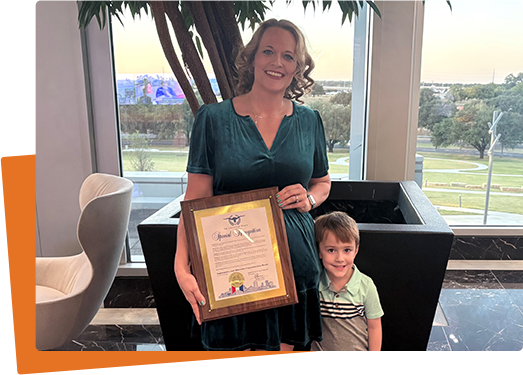
Elliott’s Voice was created by a mother who believed her son deserved to be heard.
Elliott was diagnosed with Autism and Childhood Apraxia of Speech (CAS) which is a motor speech disorder that makes it difficult to coordinate the muscle movements needed to speak. Like many families navigating communication challenges, we quickly realized that communication is about more than speech.
Through Augmentative and Alternative Communication (AAC), Elliott began to find his voice.
But we also discovered something important: AAC tools were not easily available in everyday places. Playgrounds, museums, parks, and public safety departments often lacked accessible ways for non-speaking or minimally speaking individuals to communicate.
So we decided to change that. Elliott’s Voice was born from a simple belief:
Communication is different for everyone
Elliott’s Voice is a 501(c)(3) nonprofit dedicated to increasing access to Augmentative and Alternative Communication (AAC), ensuring every individual has a way to communicate.
We advocate to:
No child or adult should be left without a way to communicate.
Elliott’s Voice is a 501(c)(3) nonprofit organization dedicated to increasing access to Augmentative and Alternative Communication (AAC) so that every individual has a way to communicate.
We advocate to:
No child or adult should be left without a way to communicate.
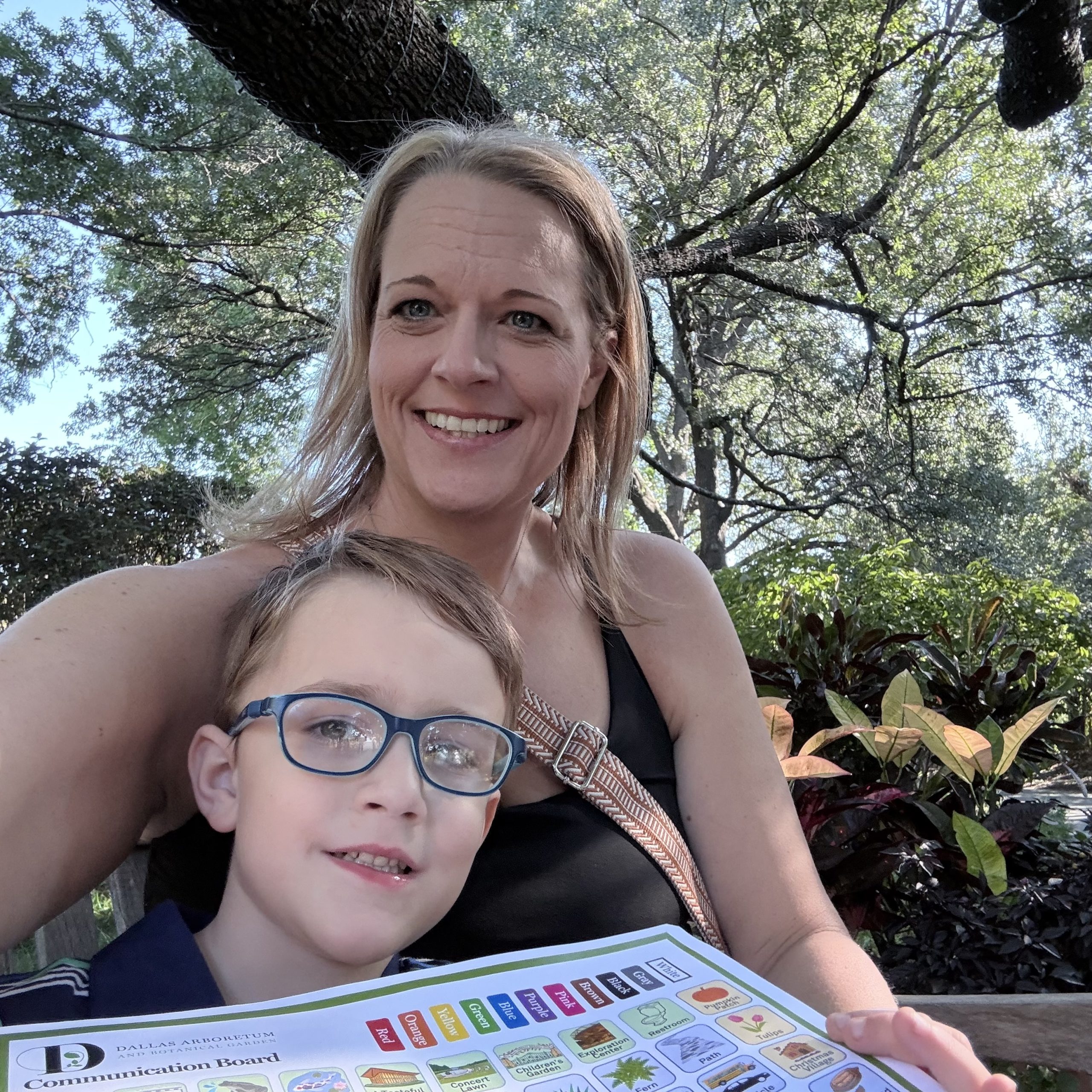
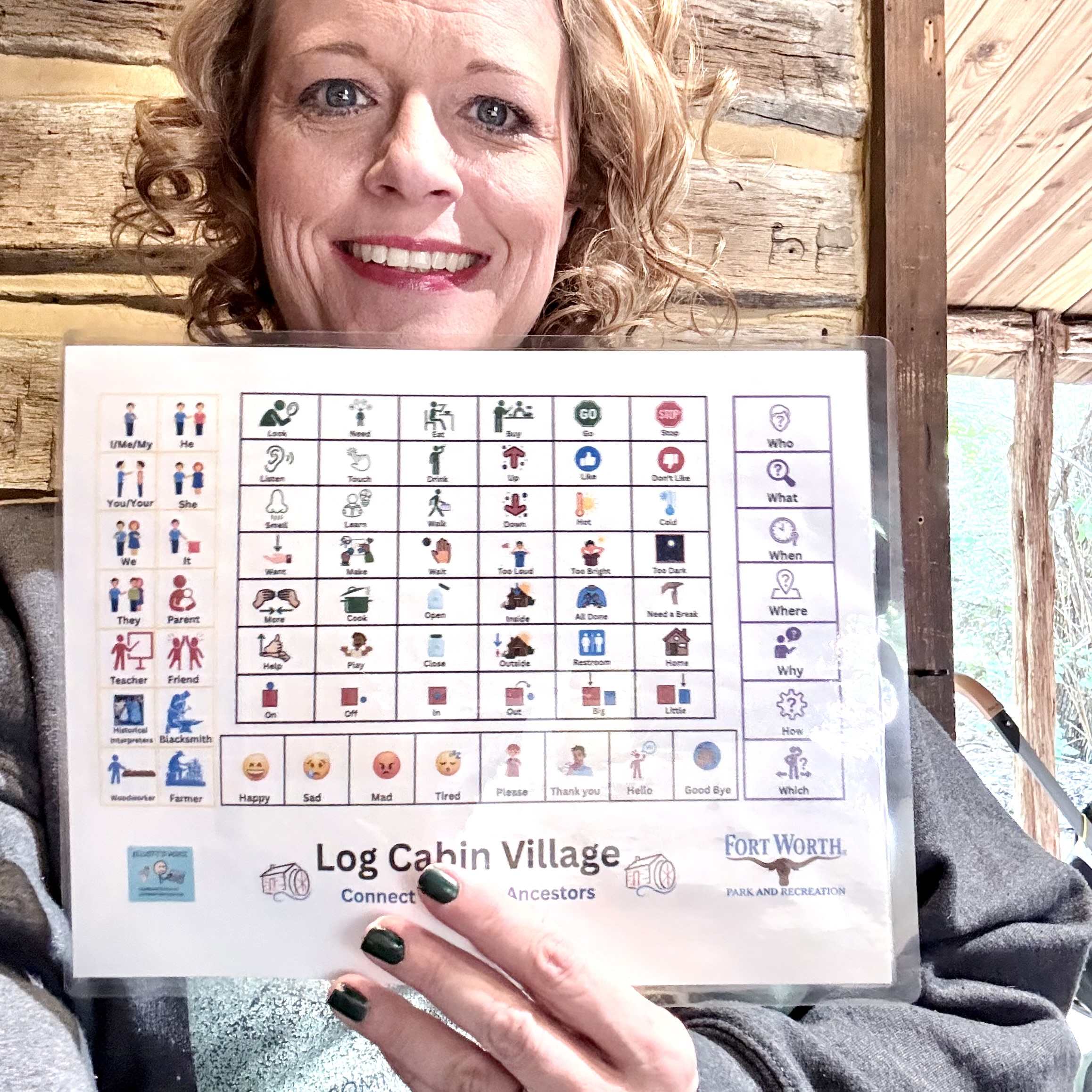
Through Elliott’s Voice we have placed AAC boards in:
These boards allow individuals who use AAC to point to words, pictures, or phrases to express their needs, feelings, and ideas.
Communication should never depend on speech alone.
Millions of children and adults rely on AAC to communicate. When communities provide accessible communication tools, they create spaces where everyone belongs.
Elliott’s Voice exists to help communities become more inclusive, more understanding, and more accessible.
Because everyone deserves a voice.
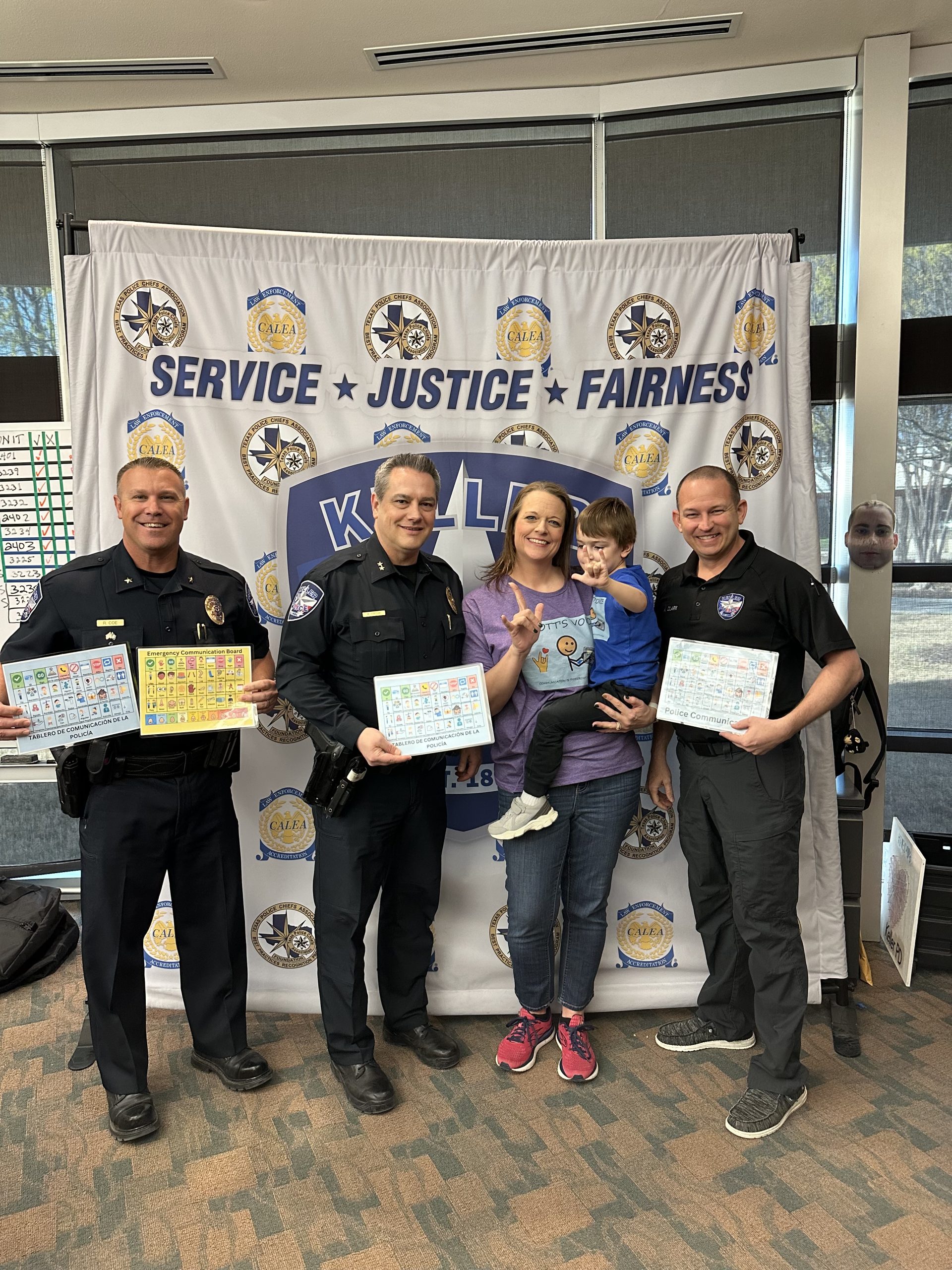
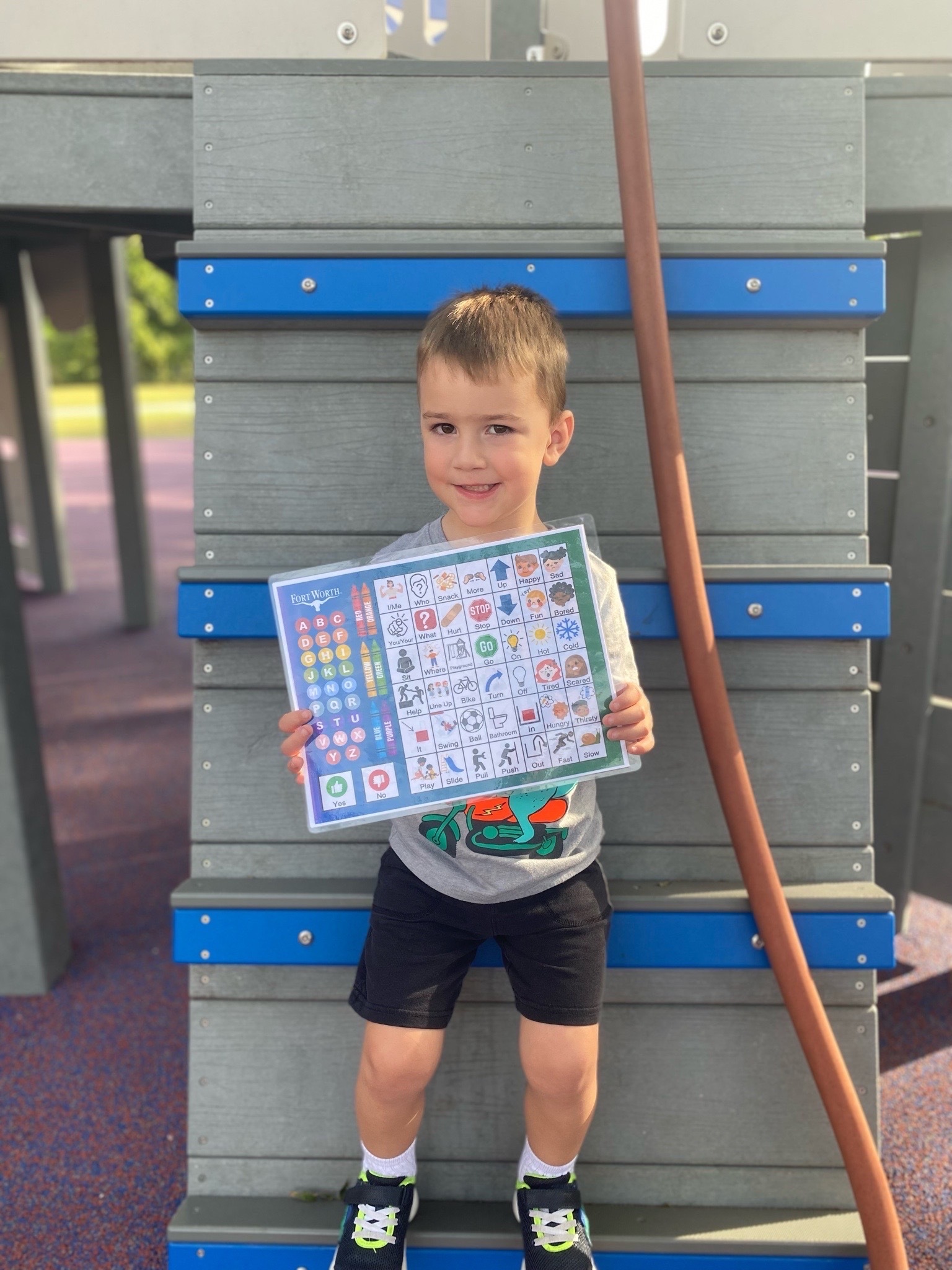
Elliott is the inspiration behind Elliott’s Voice. His journey learning to communicate through AAC has shown us that communication is not defined by spoken words.
It is defined by connection.
And Elliott reminds us every day that when we provide the right tools, voices that were once quiet can be heard.